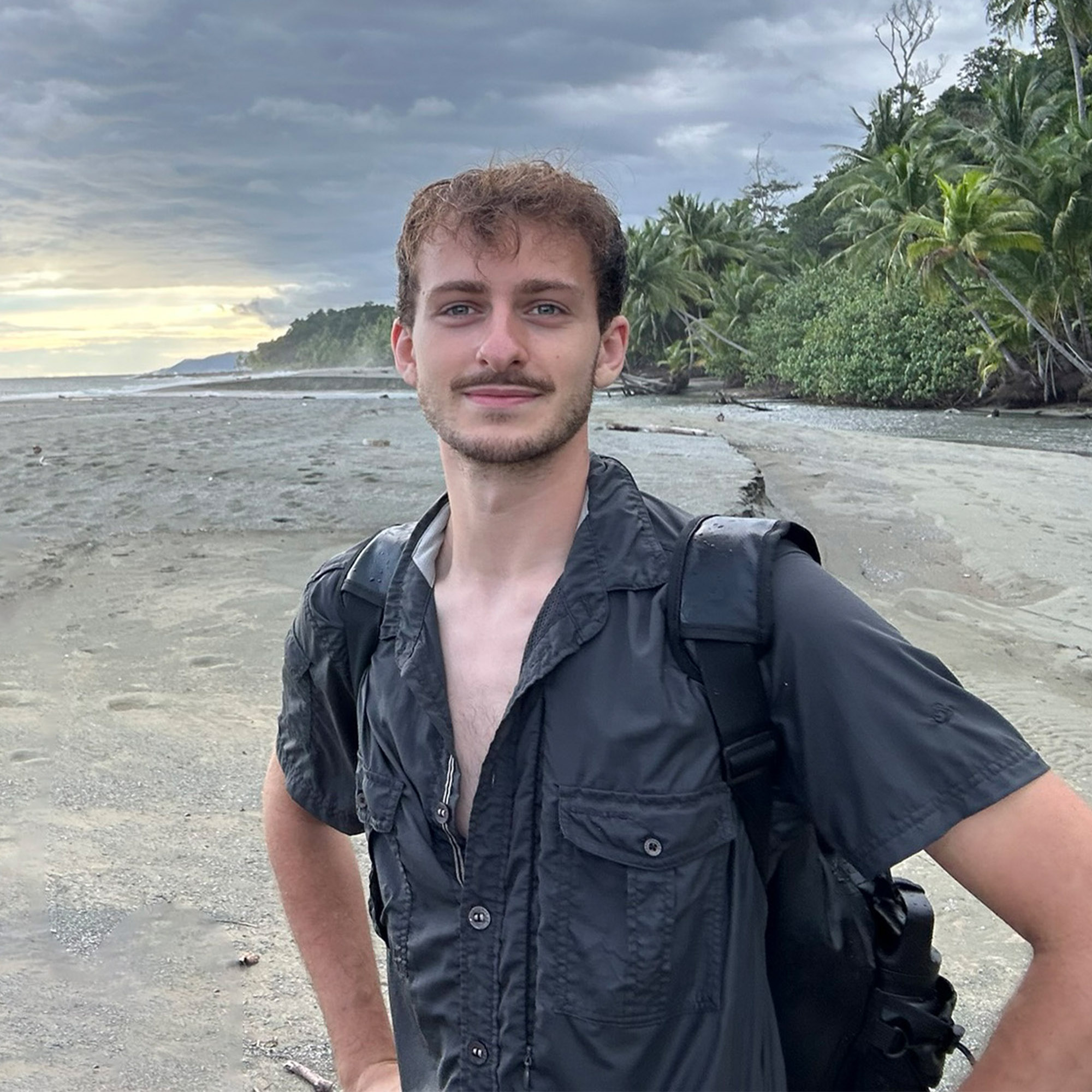
In September 2022, I undertook a ten-day wild camping expedition in Chobe National Park, Botswana. This was an off-grid camping safari, where we tracked large game animals during the day, but I focused on the smaller creatures at night!

Once darkness settled, the plains revealed a different ecosystem. Instead of scanning the horizon for elephants, I searched the ground at close range, using a UV torch and headlamp to locate invertebrates and other nocturnal species.
This trip marked a turning point for me. I was in my second year of university and understood that if I wanted to produce strong work in my final year, I needed to improve my technical ability. Up until then, wildlife photography had been something I enjoyed, but it had not yet demanded full commitment. Although Chobe is widely known for its large mammals, my attention increasingly shifted towards smaller subjects, particularly arachnids.
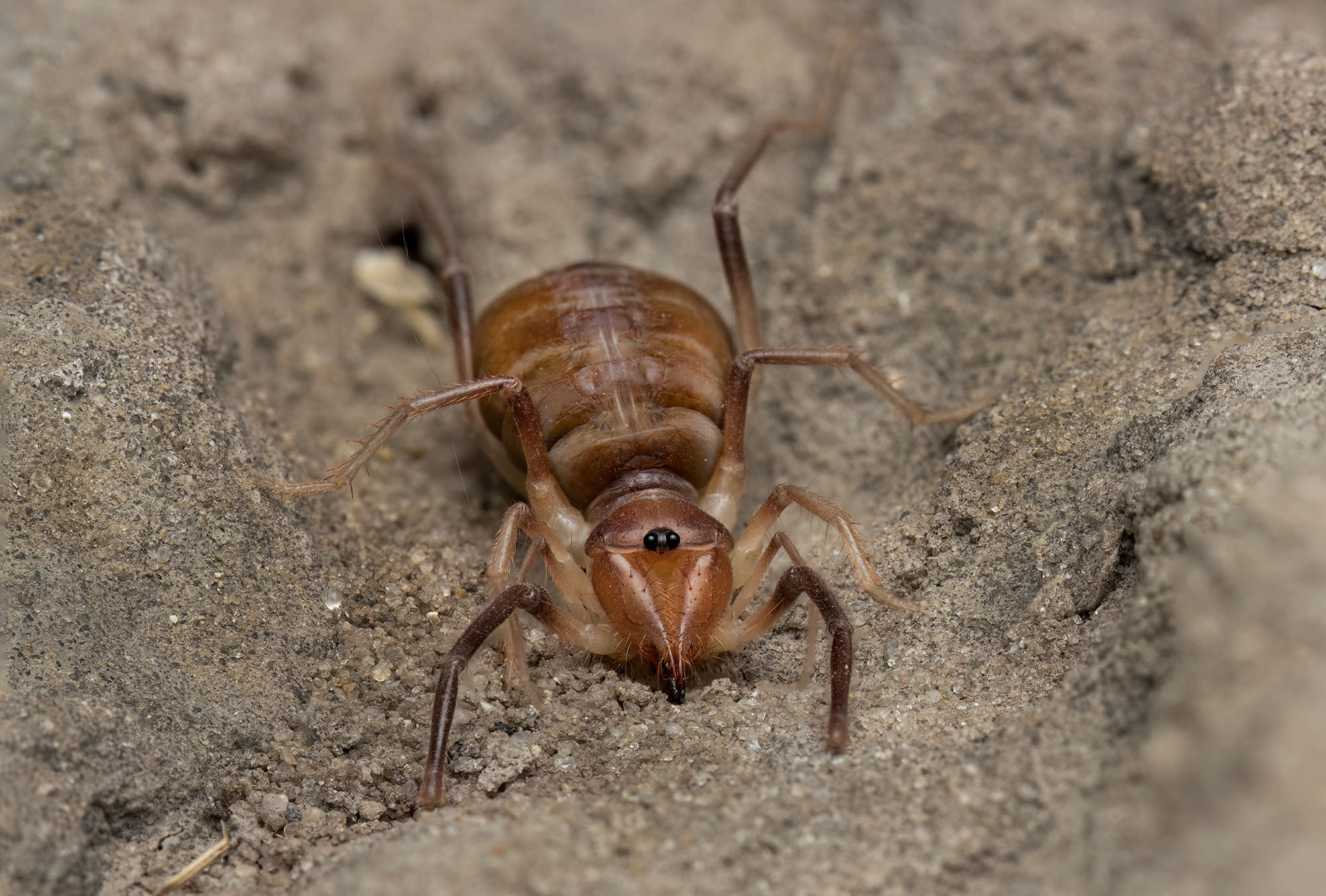
A camel spider focus stack became one of my first successful stacked images, requiring precise incremental adjustments in near darkness. Soon after, I produced a wolf spider facial stack, also among my earliest attempts at this method. These images were not just successful outcomes; they represented a stage where experimentation began to turn into competence.
The process each evening was physically demanding. I spent hours turning rocks, lifting logs and scanning the ground slowly with ultraviolet light.
With no electricity and a new camp to establish each night, everything had to be managed carefully.
Some of my strongest early macro photographs came from those nights. More importantly, the experience laid the foundation for the direction my work would later take. I gained confidence in focus stacking under field conditions and learned how to work with small, fast-moving subjects in unpredictable environments. It strengthened both my technical discipline and my patience.