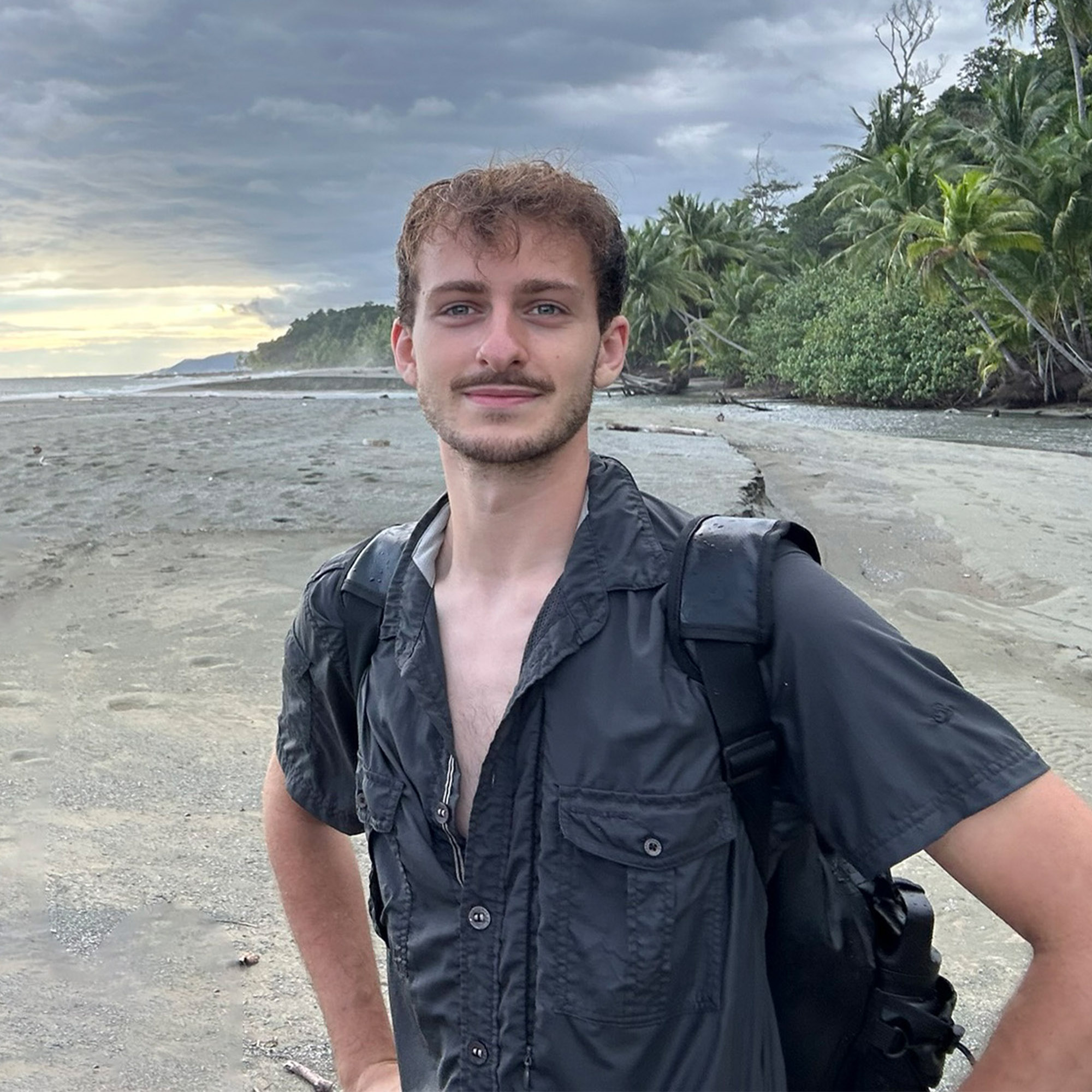
I have always been fascinated by the rainforest, and so, when deciding what to do for my University final major project, I knew I had to go somewhere special.
I spent eight days at a remote research station in the heart of the Osa Peninsula in Costa Rica. This expedition formed the foundation of my final major project at university and carried more weight than any trip before it.
Every previous journey had been building toward this one. The images I produced here would determine the strength of my final submission and ultimately whether I achieved a first-class degree. I travelled in March, outside the heaviest rains and during a period known for strong invertebrate activity. With a submission deadline in May, I needed enough time on return to review, edit and mount all of my work.

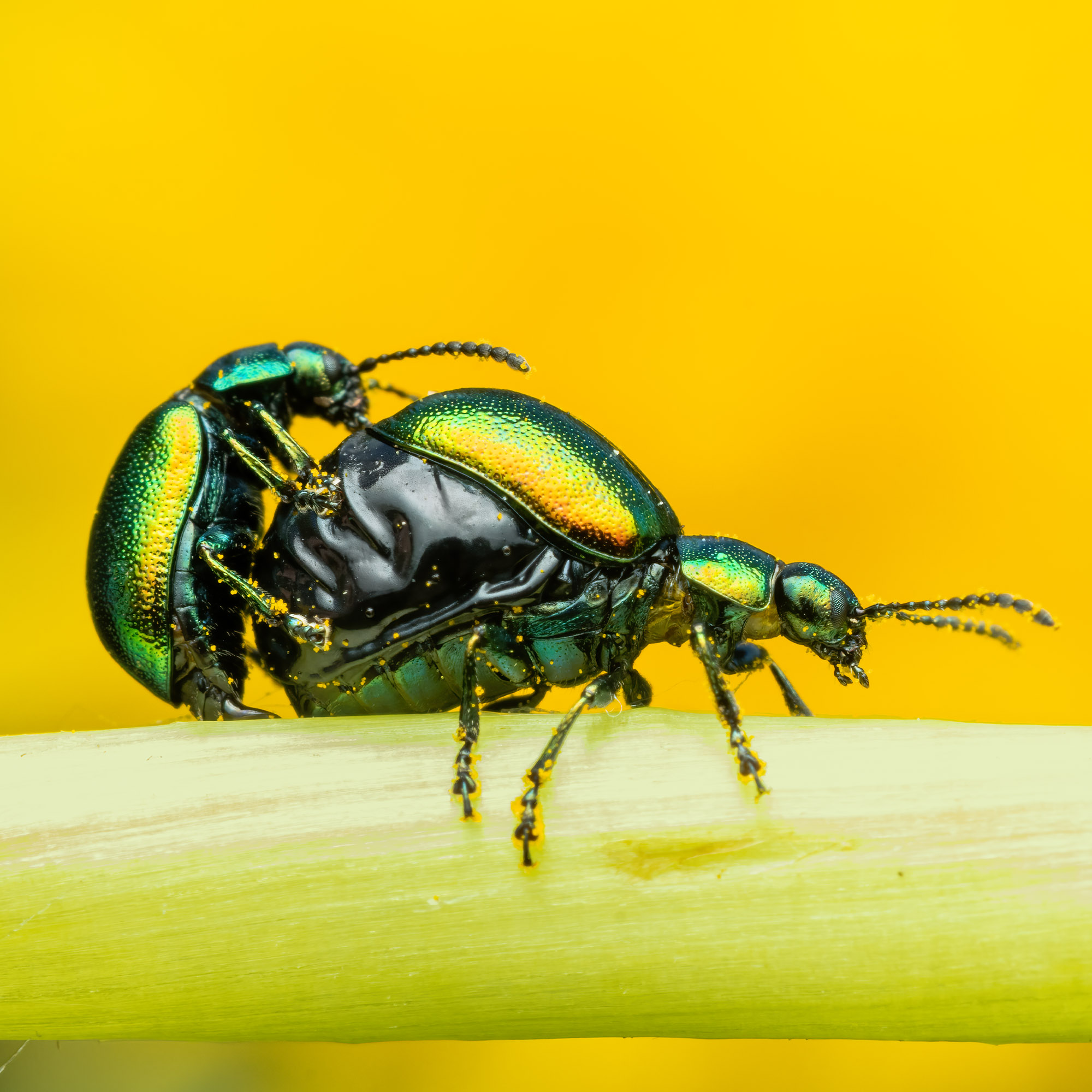
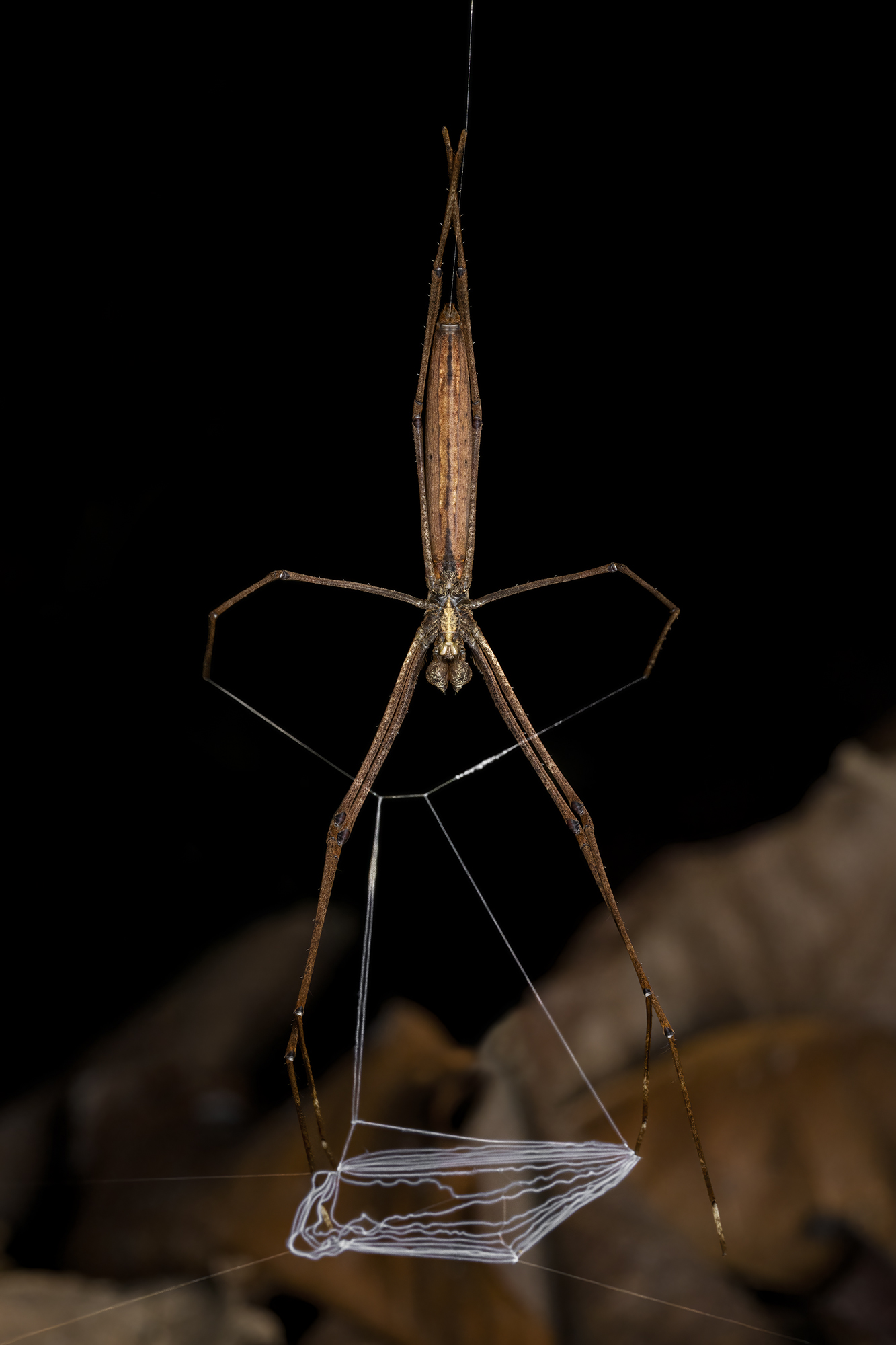
My primary focus for this project was invertebrates, but I also photographed all of the frogs and crustaceans that I could find. The aim was to produce a cohesive series centred on small rainforest species, while also displaying their natural habitat. I did not want isolated specimens against black backgrounds. I wanted presence, context and a sense of scale within the forest itself.
For this project, I worked with my own Canon 90D with my 100mm macro lens and external flash, alongside a rented Canon R5 fitted with a fisheye lens. The fisheye allowed me to experiment with perspective, placing small subjects within a wider environmental frame and showing more of the rainforest around them. Lighting was critical. I spent over twenty hours designing and building custom diffusers for both setups, refining how the artificial light would spread and soften. In dense rainforest, harsh flash can easily overpower delicate textures. Controlling that light became central to the look of the final images.

Being in the jungle during this project was a challenge. I was in the field searching for subjects, often spending up to fourteen hours a day, for eight consecutive days. Most of that time was spent moving slowly through forest trails, scanning leaves, tree trunks, fallen logs and stream edges. I knew I had to take at least two "Keeper" images a day in order to complete my exhibition, so the pace was demanding but necessary given the limited timeframe and the pressure attached to the outcome.
The trip produced a strong enough body of work to form the basis of my final exhibition project at university, which I detail separately. Several images from the series have since been shortlisted in major photography exhibitions, though they have not yet received awards (Feb 2026). Regardless of external recognition, the standard of work achieved met the level I had set for myself.
This was the most important expedition of my academic career. It required sustained focus, both physically and creatively. Constant humidity, unpredictable weather and uneven terrain added daily challenges, while time pressure remained in the background. Managing fatigue, protecting equipment and maintaining visual consistency across the series took a lot of effort!
More than anything, this trip demonstrated that preparation, technical development and persistence could come together under pressure. It confirmed that I was capable of sustaining long periods of concentrated fieldwork and producing a coherent body of images within strict constraints.