I was awarded second place in the Cornwall Reptile and Amphibian Group photography competition, an early milestone that marked a shift in how I viewed my own work.
I came across the competition on Instagram not long after photographing some of our native herpetofauna. At that time, I had been dedicating more of my attention to reptiles and amphibians, learning about their habitats and behaviour with the hopes of finding some interesting sightings. This image of a slow worm was one of my best reptile photographs at the time, and so I had to enter it into this competition!
It was the first slow worm I had ever encountered, which made the moment particularly significant. There is a quiet satisfaction in finding a species for the first time, especially one that is so often overlooked. Rather than isolating the animal with a tight frame, I chose to include elements of the dune system around it. I hadn't yet tried any fisheye photography, but my macro lens was still enough to present the slow worm as part of its environment rather than separate from it.
Slow worms are easily missed, blending seamlessly into vegetation and loose ground. I moved slowly through suitable habitat, scanning carefully and lifting cover with caution. Once I located the animal, I worked efficiently and respectfully, conscious of minimising disturbance.

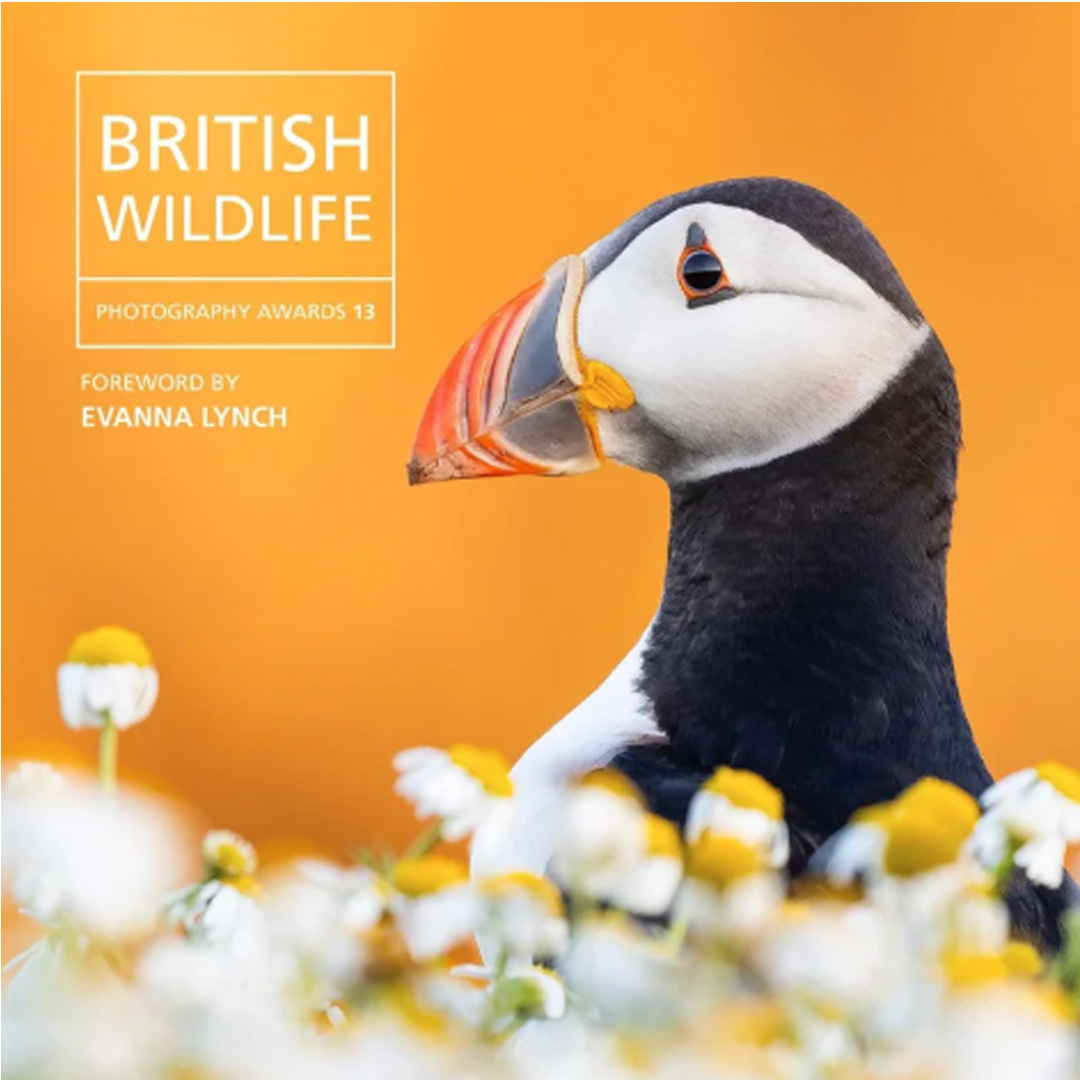
The image placed second in the competition. As part of the award, I received a year’s membership to the Cornwall Reptile and Amphibian Group and a publication focused on the native European adder.
This was my first competition placement, and that alone gives it lasting importance. It provided early confirmation that my work could stand alongside that of other photographers. More than the prize itself, it gave me confidence at a stage when I was still establishing direction. It remains a clear marker of where that progression began.