I went on a two-week diving expedition to Marsa Shagra in Egypt with Falmouth University, undertaken as part of the Marine and Natural History Photography course. The trip was designed to immerse us in sustained fieldwork, combining technical development with the realities of working in demanding environments.
Students on the course were invited to apply for a place on the Red Sea expedition. I chose to apply because I knew it would directly support my development ahead of my final project. I wanted to strengthen my practical lighting skills, particularly underwater where control is limited and conditions shift constantly. At the same time, I saw it as an opportunity to continue refining my skills on land. The intensity of the schedule appealed to me. I was looking for experience that would push both technical ability and endurance.
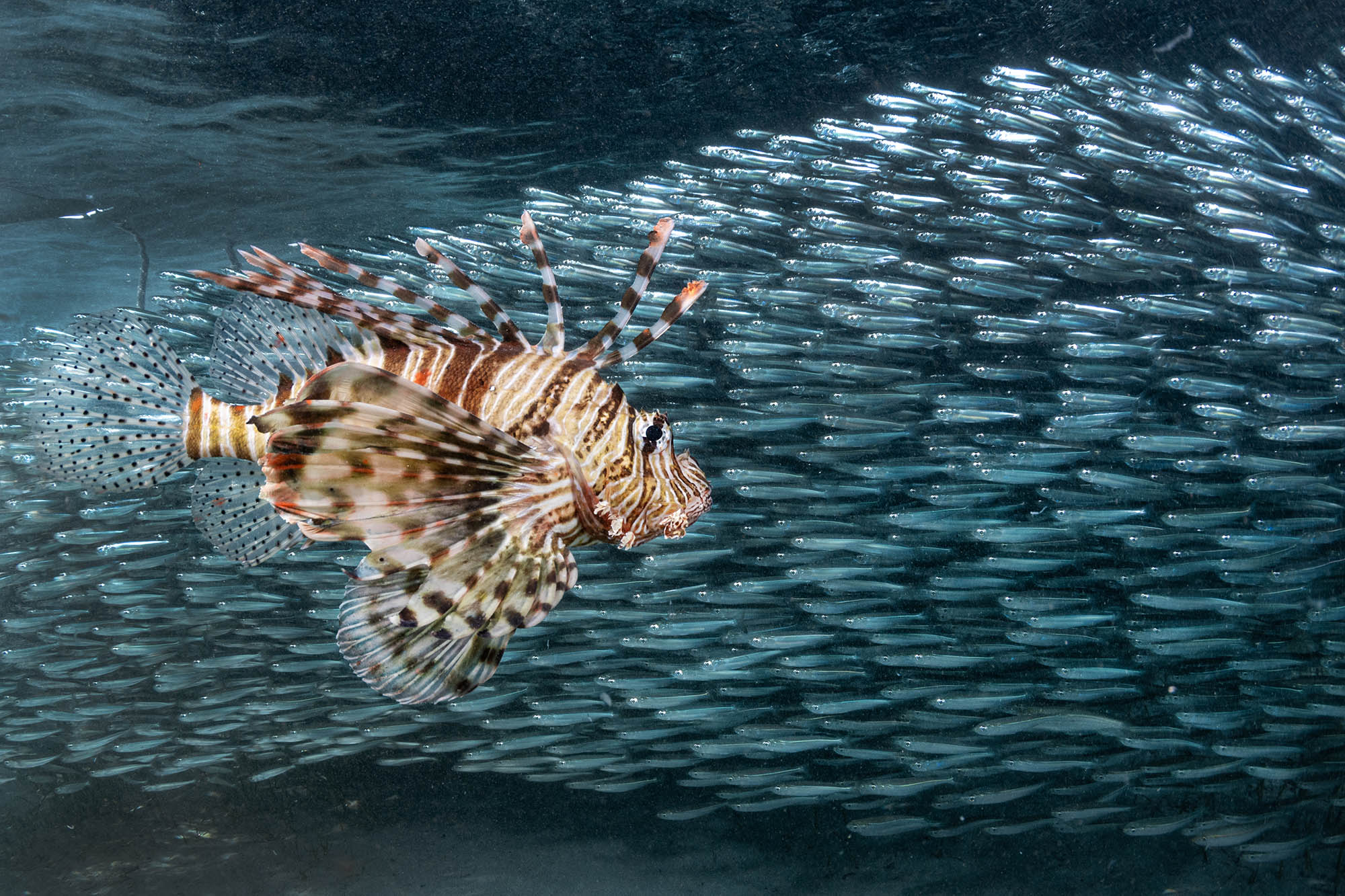
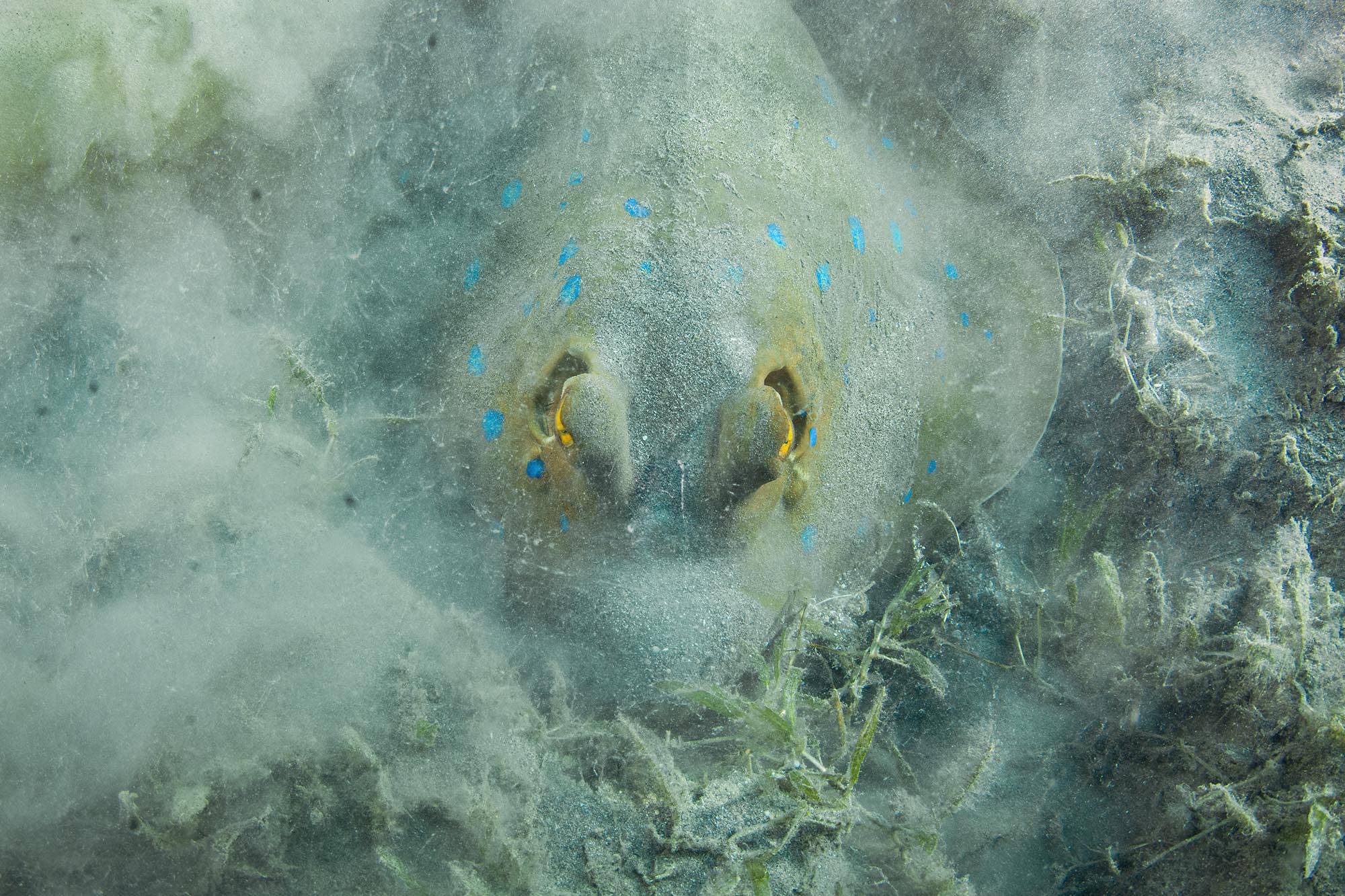
Underwater, my focus centred on improving the use of dynamic lighting. Rather than simply documenting marine life as I encountered it, I worked deliberately with strobes to shape subjects and create depth within the frame. Learning to manage buoyancy while adjusting strobe angles and maintaining composition required coordination and repetition. Over time, those movements became more controlled and instinctive.
I completed roughly two dives a day for fourteen consecutive days. After returning from the water, cleaning and preparing equipment, I would head out again at night to explore the desert. Working in extreme daytime heat followed by hours in darkness required physical resilience and disciplined time management. Equipment had to be handled carefully to avoid damage from salt, sand and temperature shifts. The balance between intensive diving and late-night fieldwork made the trip exhausting, but it was also highly productive.
By the end of the expedition, my confidence with underwater lighting had increased significantly. I had a stronger understanding of how to position strobes for shape and separation, and greater control over buoyancy while shooting. The experience also expanded my portfolio to include both marine and desert species, demonstrating a broader range of work. The volume of practical experience gained over those two weeks accelerated my development more than a typical university term.
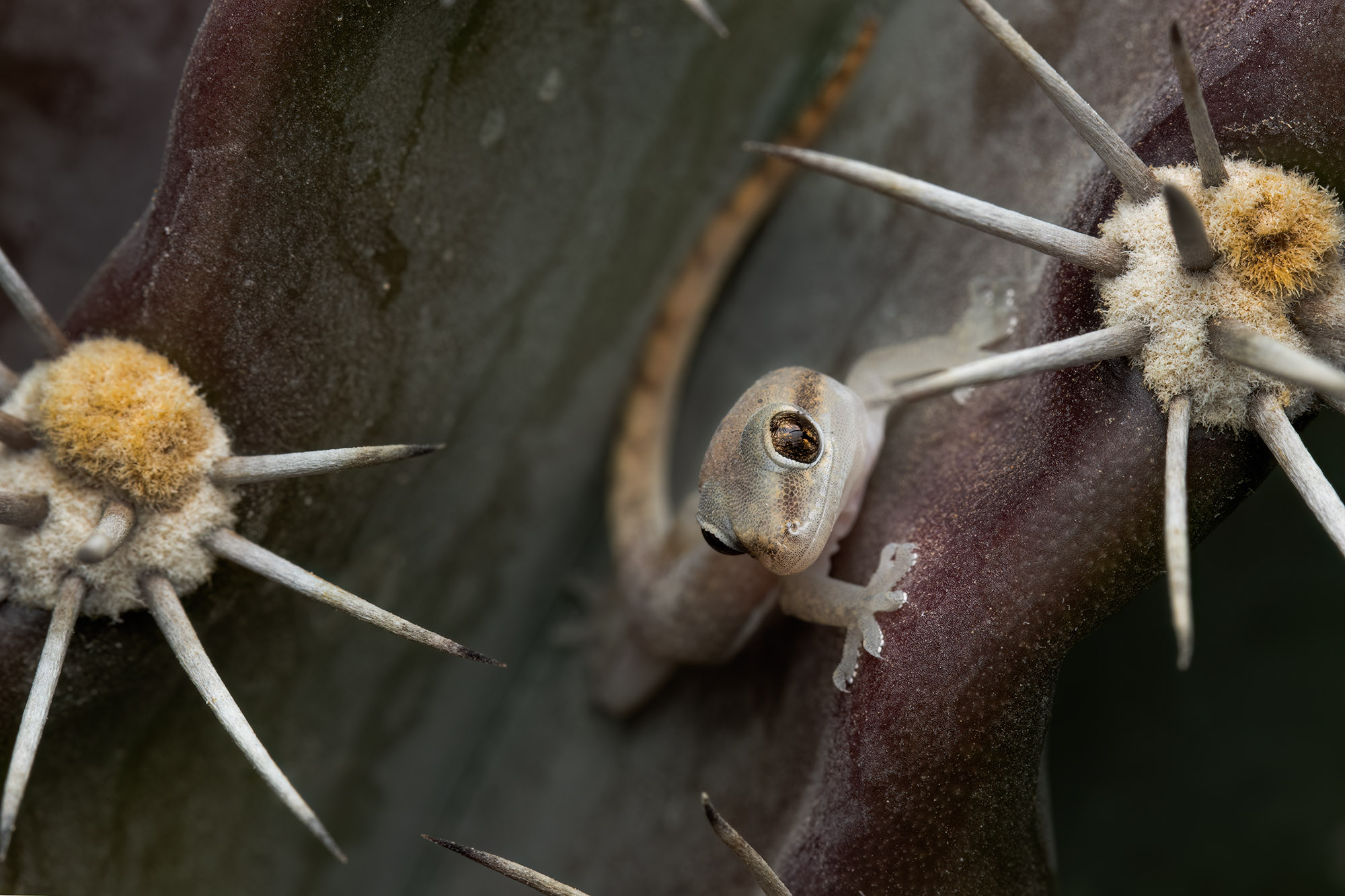
On land, my attention shifted to the desert ecosystem surrounding the resort. After nightfall, I searched for insects and reptiles emerging from the sand and rocks. This continued my growing interest in smaller, nocturnal wildlife. The contrast between the underwater environment and the arid desert was stark, yet both required careful observation and patience.