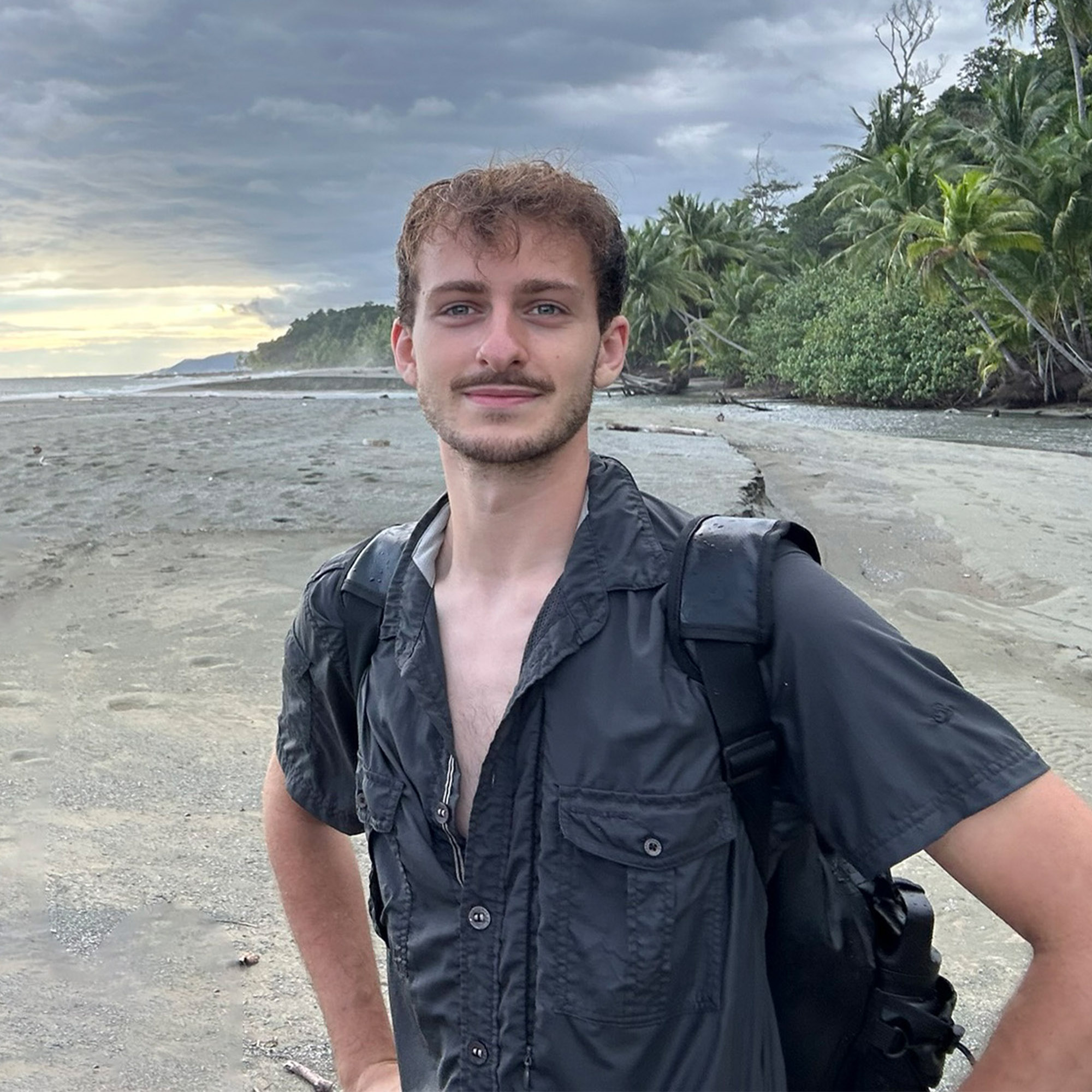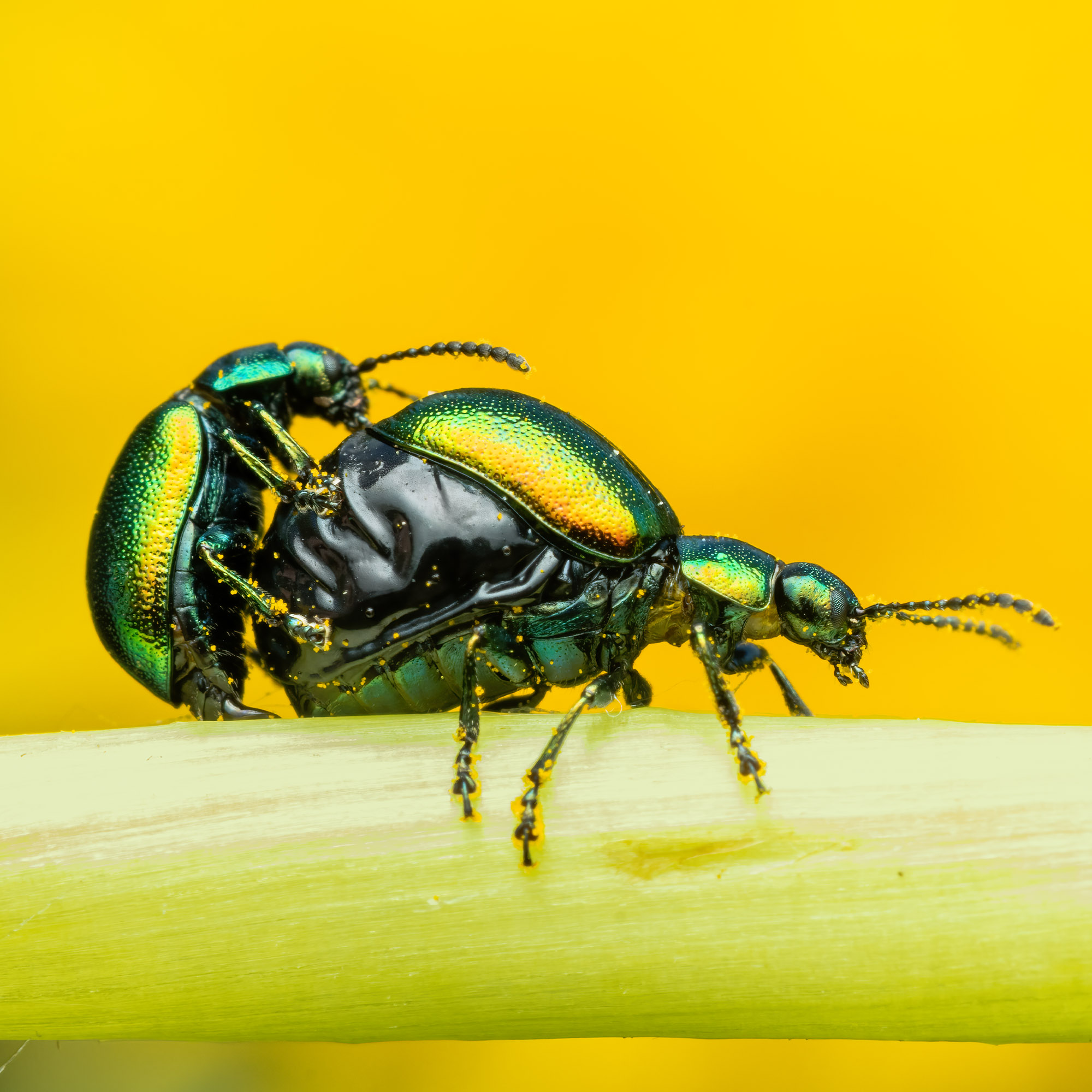
Near the end of 2023, I took one final trip abroad to photograph a species that had become particularly meaningful to me. During my university years, I had begun breeding tropical invertebrates as a side project, selling them online and at shows. This experience deepened my appreciation for praying mantises, and when I saw an Ameles spallanzania on Instagram, I knew I had to find and photograph one in the wild.

I spent four days in Malta specifically searching for Ameles spallanzania. While the dwarf mantis was the primary target, the trip offered additional wildlife encounters. On the first day, I was fortunate to find a European mantis (Mantis religiosa) and captured several images. The following day, I encountered my first-ever chameleon, which I photographed using a fisheye lens, before returning to the mantis search. The third day yielded no target species, leaving the outcome dependent on the final day.

Using Google Earth to identify promising habitats and timing my visit for sunset, I finally located three Ameles spallanzania: a tiny sub-adult male and two adult females. The images I had envisioned were achieved, and I concluded the trip satisfied with the results.
This trip required patience, persistence, and careful planning. Searching rugged terrain for a specific, scarce species meant every encounter was uncertain. Timing the visit for optimal light and pre-selecting locations were crucial to success. Once found, I photographed the mantises in their natural environment, taking care to minimise disturbance while capturing the compositions I had anticipated.
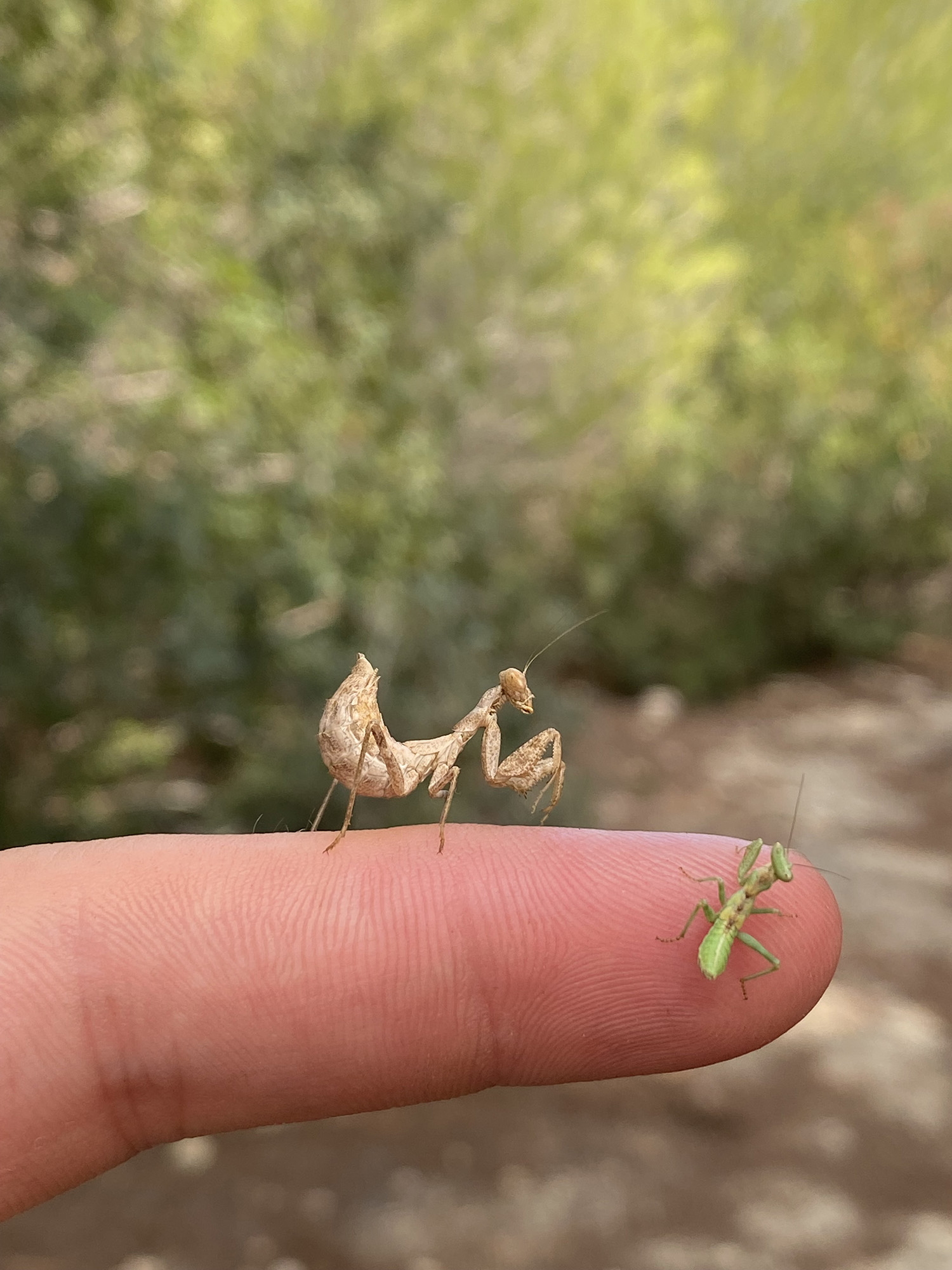
This journey was significant because it combined fieldcraft, planning, and patience with personal passion. It reinforced my ability to pursue specific wildlife targets and served as a memorable capstone to a year of intensive fieldwork and technical growth. Malta’s rocky, sunlit terrain offered the ideal conditions to observe these rarely seen mantises, but the challenge lay in their small size and scarcity. Multiple days of careful searching, attention to light, and strategic planning were essential to achieving the images that made the trip a success.