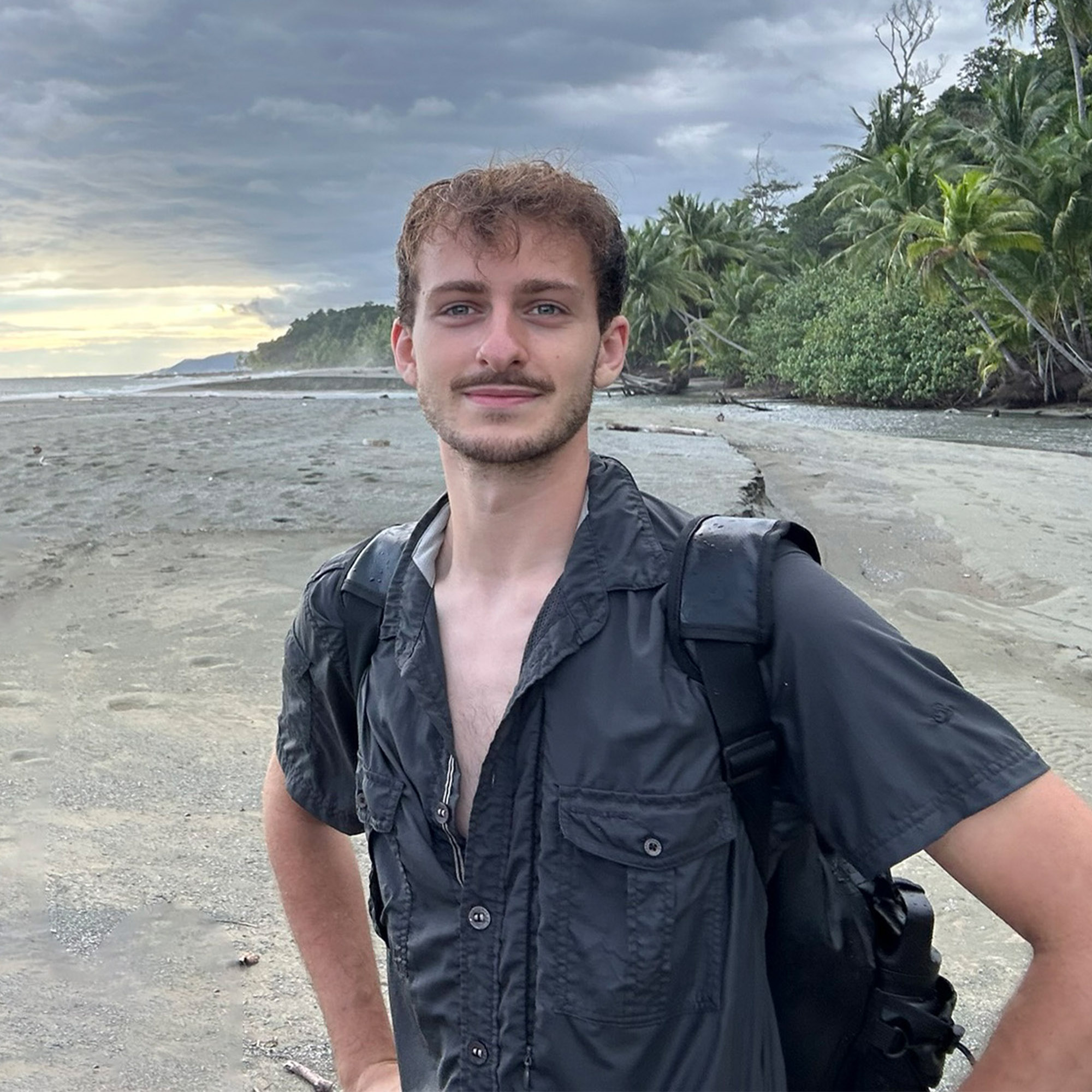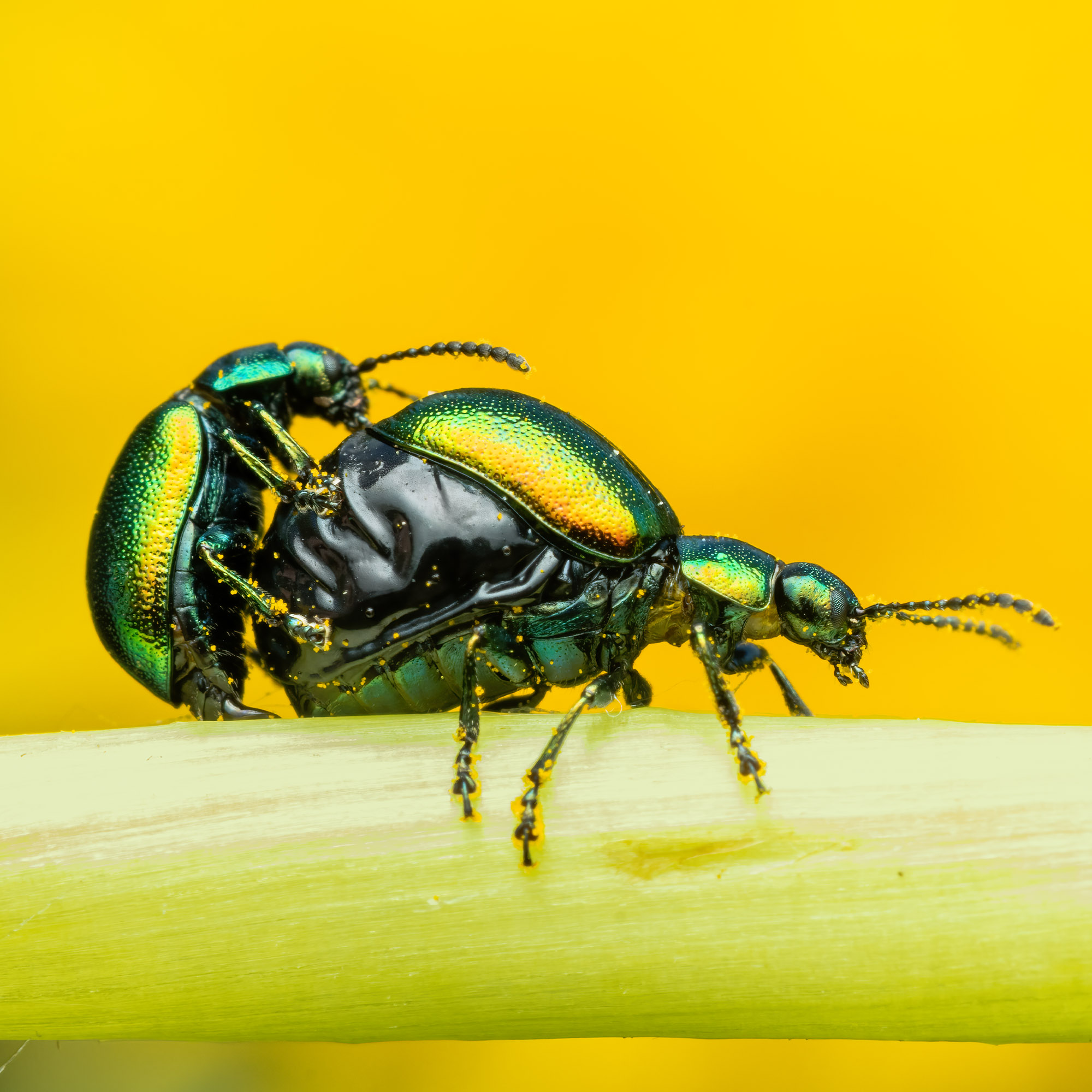
I spent three weeks travelling across Chile, Bolivia, and Peru in search of wildlife, combining adventure with field photography. The trip offered the opportunity to explore diverse ecosystems, from the arid Atacama Desert to tropical wetlands and high-altitude salt flats.

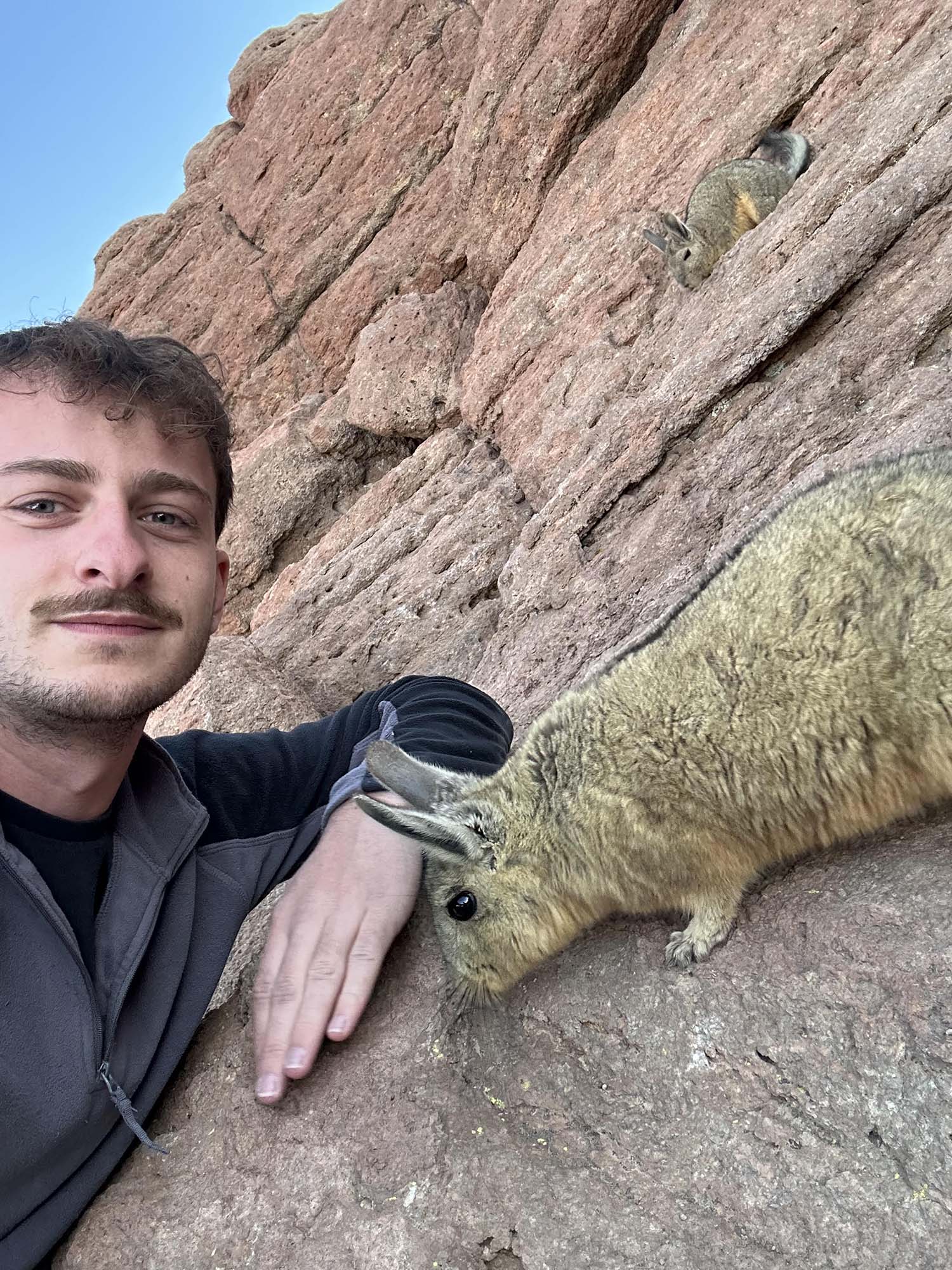
The journey began in the Atacama Desert, the driest non-polar desert on Earth. Locating subjects there was extremely challenging, but I managed to find and photograph two Chilean desert scorpions. In Bolivia, I explored salt flats and was lucky enough to encounter a Mountain Viscacha, capturing images of this high-altitude mammal with my phone’s selfie camera!
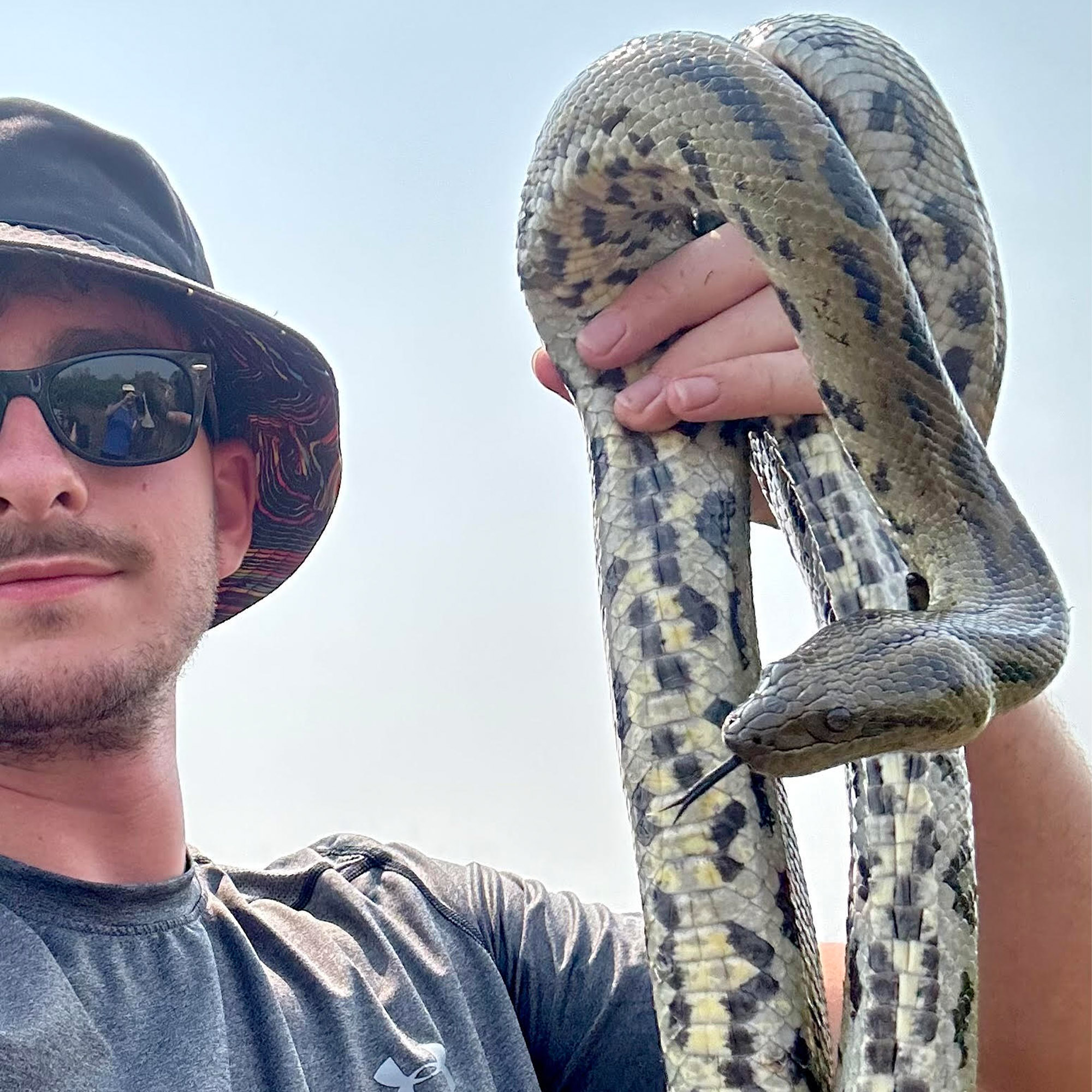
A two-day pampas tour led me in search of anacondas. While larger snakes were absent due to a lack of rain, I was thrilled to find a seven-foot Beni Anaconda. Remarkably docile, she allowed me to handle her safely, which was a rare and memorable opportunity to observe such a species up close.
In Peru, I spent four days at Tambopata Research Station and three days on Lake Titicaca. At Lake Titicaca, the main goal was to observe the critically endangered Lake Titicaca Frog. Working from a floating reed-bed island and guided by Luz, a local expert, we located eight juvenile frogs in a secluded bay. Witnessing these amphibians in the wild was extraordinary, especially considering the species faces severe threats from introduced trout and over-harvesting. It was one of the most memorable wildlife experiences of my life, and I hope to return to scuba dive with the adult frogs in the future.

The primary focus of the trip was observing and photographing wildlife across challenging and diverse ecosystems. Subjects ranged from desert-adapted arthropods to high-altitude mammals, and endangered amphibians. The images were designed to document species in their natural habitats while conveying behaviour and environmental context.