In 2023, I entered more established and internationally recognised competitions for the first time, including Wildlife Photographer of the Year. Up until that point, most of my work had been assessed within university or smaller regional contests. I felt like my technical standard had improved considerably over the previous few years and wanted to see how it would stand in a far more competitive arena.
During my recent trip to Costa Rica, I had produced some of the strongest images of my career, but this came after the application deadline for the competitions. I always knew this, and so chose to submit earlier work instead. These were images created while I was still refining my technique, but they represented an important stage in my development. Entering at that point was driven by growing confidence and a desire to test my work beyond academic assessment.
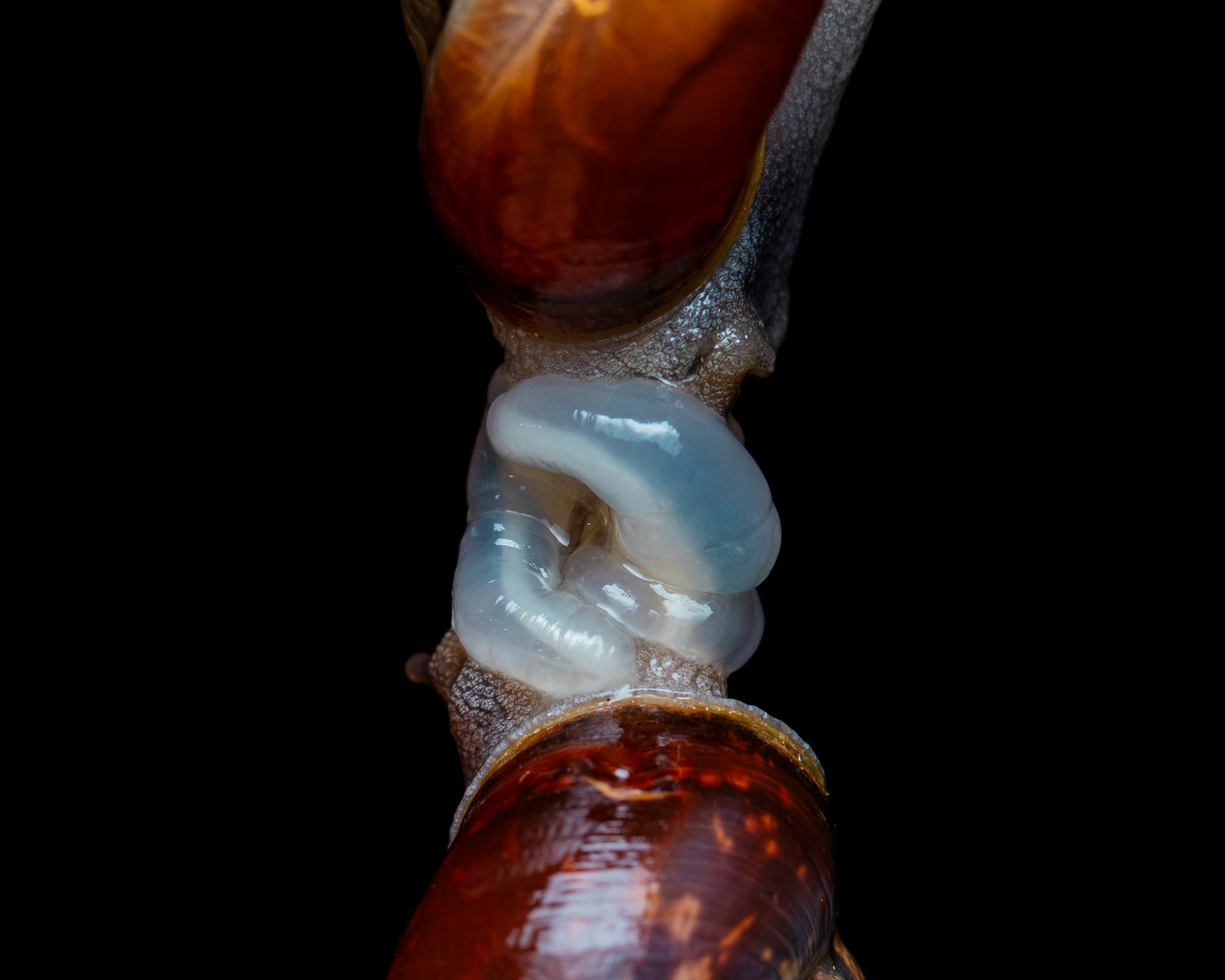
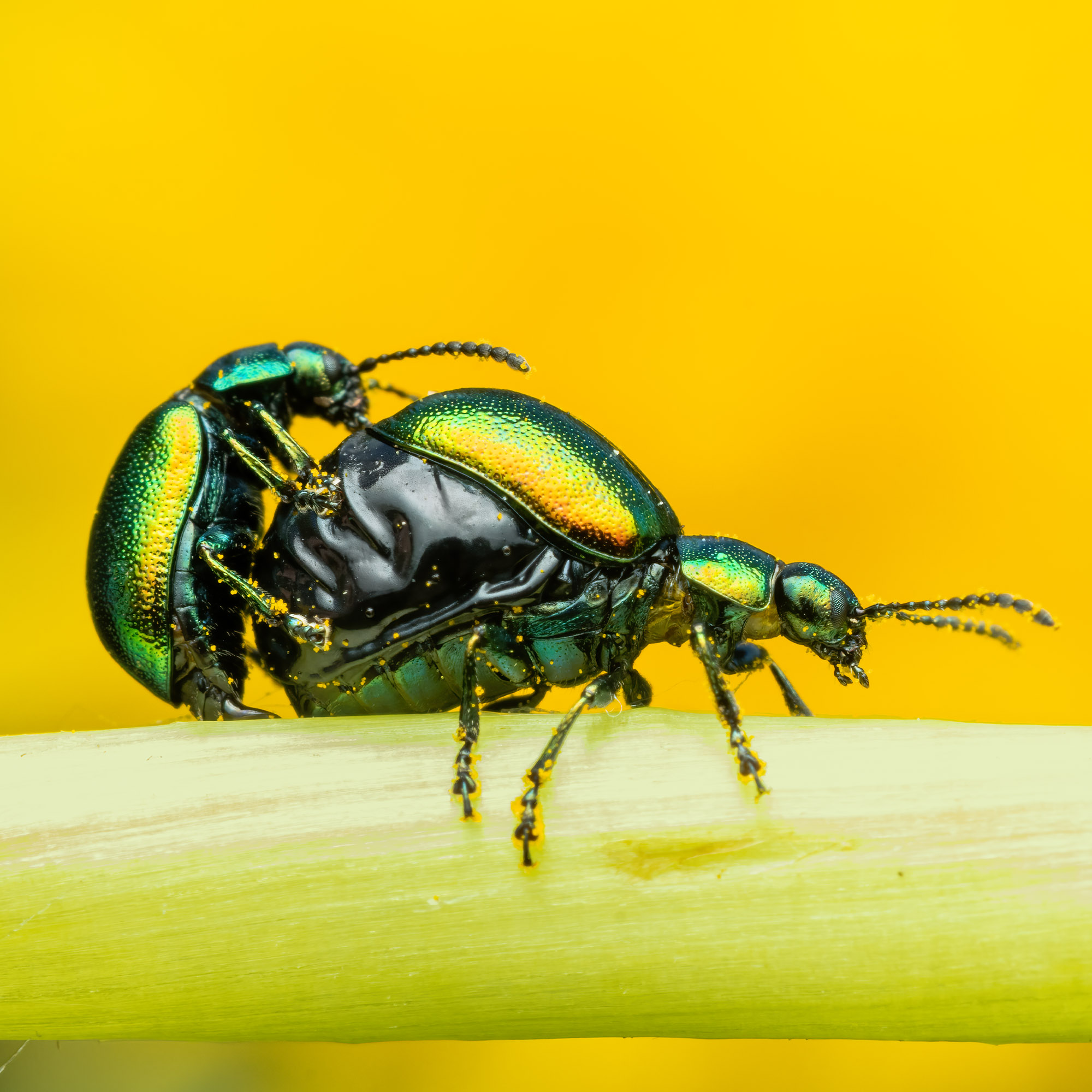
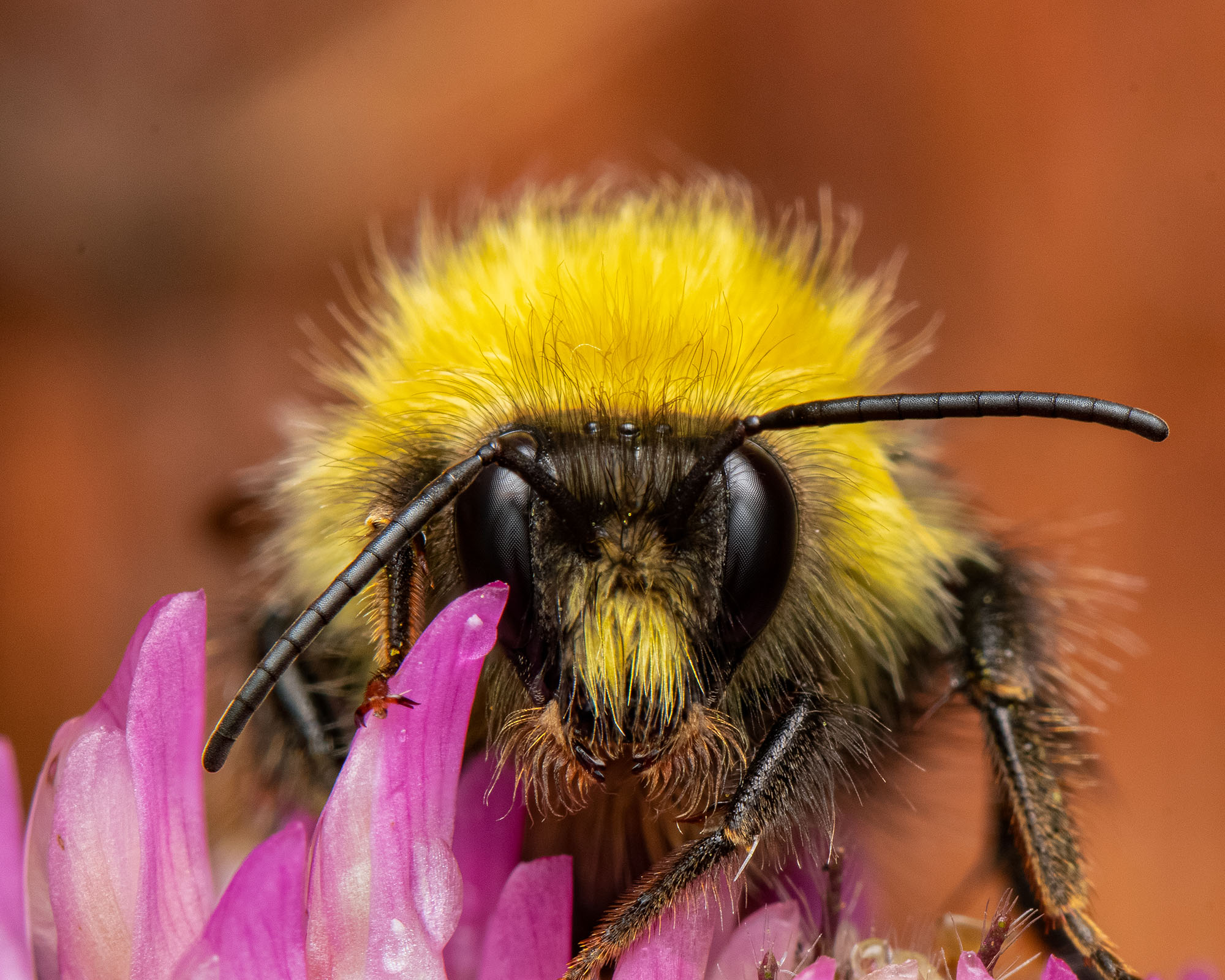
The image that was ultimately shortlisted was a small focus stack, and one of the first photographs I created using a dedicated flash setup. It consisted of seven individual frames combined to produce a fully sharp final image. Compared to my later work, the setup was simple. However, at the time, it marked a clear shift in my technical approach. I was beginning to move away from relying on available light and towards controlled artificial lighting that allowed greater precision.
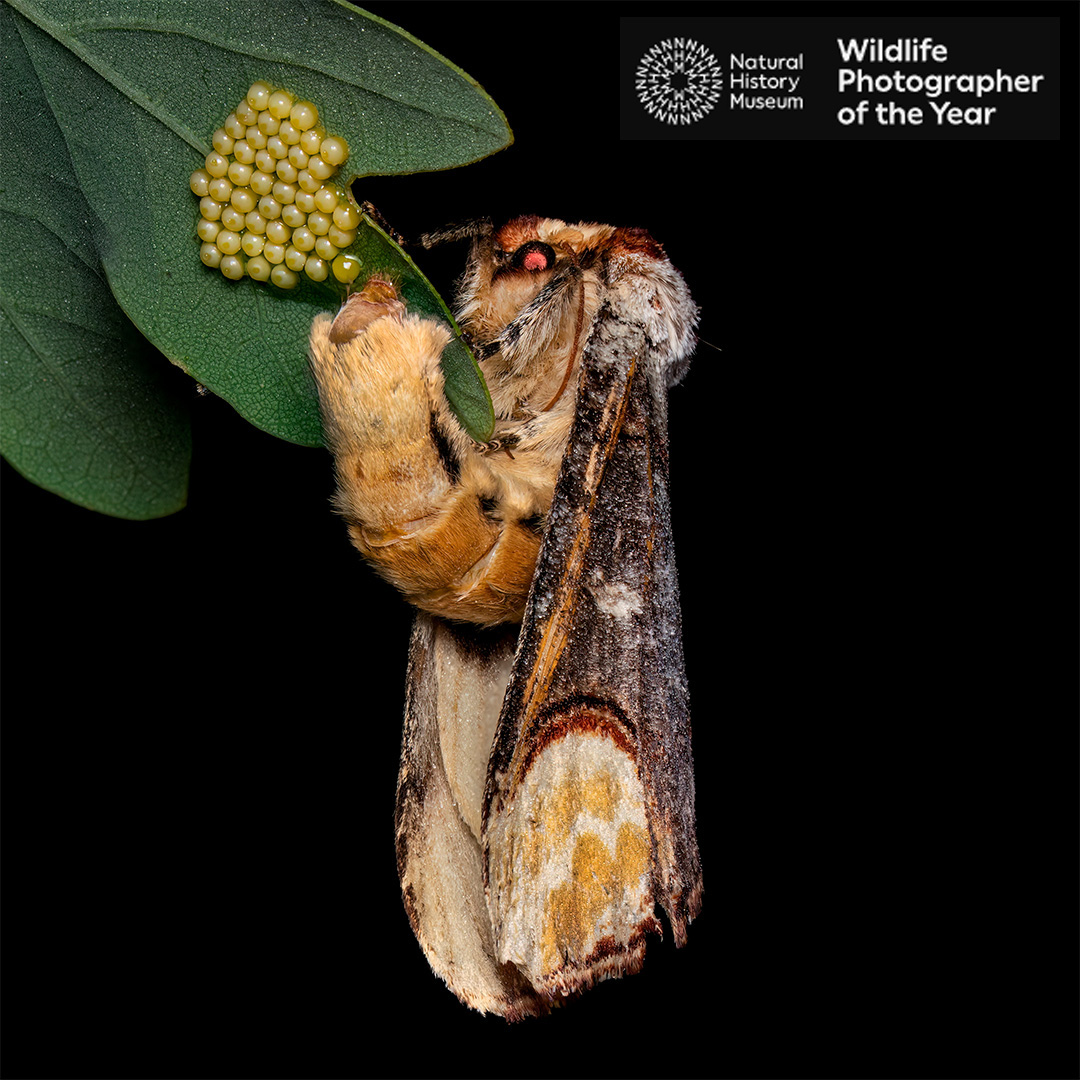
The image was shortlisted but did not progress further. Even so, being recognised by Wildlife Photographer of the Year was a significant milestone. It demonstrated that the foundations I was building were solid and that my work could compete at an international level.